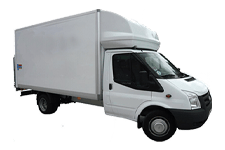
Taking a crew alongside tools and work materials requires a van layout that balances seating with secure storage. When multiple colleagues and heavy gear need to arrive on site together, thoughtful planning prevents last-minute transport headaches.
Balance Seating Against Cargo Demands
For assignments requiring both workers and gear, standard panel vans might leave you short of passenger seats, while crew-cab models reduce load volume. Confirm the cargo dimensions and payload rating against your equipment crates before deciding. Because fleet availability fluctuates between seasons and busy weekdays, check in advance which configurations are currently available.
Build Wiggle Room into Your Workday
Site schedules rarely run precisely to the minute. Rushing to meet a strict drop-off time while packing down tools creates avoidable stress. Estimate travel times conservatively, account for loading pauses, and ask the hire desk early about their policy if site delays push your return past the agreed hour.
Inspect the Van Jointly Before Departure
Setting off without an initial walkaround can cause complications upon return. Inspect the bodywork, windscreen, mirrors, and cargo interior alongside the representative. Note any existing marks on the hire agreement, and verify exactly what refuelling level or cleaning standard is expected when handing the keys back.
Clarify Driver Entitlements in Advance
If several colleagues share driving duties, every individual must be formally authorised before taking the wheel. Contact the desk prior to collection day to ask which specific driving records, identification proofs, and payment cards each designated driver must bring along to avoid hold-ups.
Questions before you book
How should I plan the timing of a van hire in Cwmbran?
Allow ample buffer time for equipment loading, crew stops, and traffic delays. Verify the branch's operating hours and enquire about after-hours key drop options if your work might finish late.
What should I expect at the handover for a hire van in Cwmbran?
Expect a joint condition inspection to record existing blemishes, a review of fuel requirements, and a quick briefing on the vehicle's controls before you drive away.