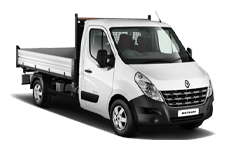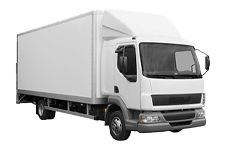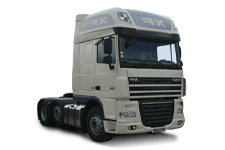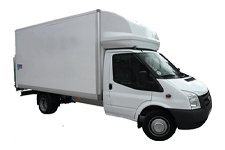
Moving an oversized object, such as a tall display cabinet or crated machinery, turns transport into a numbers game. Securing truck hire in Colne works best when you plan around the true physical dimensions of your cargo rather than guesswork.
Measure Awkward Freight Accurately
Bulky cargo rarely packs neatly. Measure the true height, depth, and width, including skids, handles, or protective wrapping. Verify whether the item must stand upright or can lie flat, as internal roof clearances and door apertures vary considerably across different vehicle classes.
Survey Approach Routes and Access Points
Large cargo demands suitable room at both pickup and drop-off locations. Check for tight entrances, overhanging trees, and steep gradients. Ask the vehicle provider whether side access, barn doors, or a tail lift would best assist your loading method, and verify turning space on site.
Verify Driver Eligibility Early
Ensure your nominated driver holds the appropriate entitlement on their driving licence for the chosen vehicle classification. Different gross weight ratings involve different legal thresholds. Ask the provider in advance about licence categories, age limits, and any endorsement checks needed before collection.
Account for Schedule, Cover, and Fleet Availability
Manoeuvring and strapping down cumbersome freight takes extra care and time. Allow a generous buffer in your hire period so you never rush transport. Enquire about available protection tiers and waiver details. Because specific vehicle sizes can face limited availability, securing your dates ahead of time is wise.
Questions before you book
What should I prepare before booking a truck in Colne?
Gather accurate cargo dimensions and weights, verify site access clearances at both destinations, and confirm that your nominated driver holds the necessary licence category for the vehicle class you intend to hire.
How much time should I allow around a Colne truck hire booking?
Build in surplus time beyond transit estimates to handle careful loading, payload securing, and vehicle return checks, as managing bulky or uneven loads almost always requires additional attention.