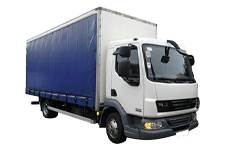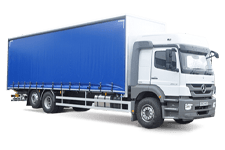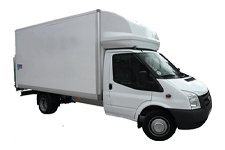
Moving an oversized item or awkward piece of machinery requires methodical preparation. Approaching a Bosham hire desk with verified dimensions rather than rough estimates prevents costly surprises and helps narrow down appropriate vehicle sizes.
Establish exact load dimensions before enquiring
Measure your cargo across its widest points, factoring in protective crating or pallets. Height, internal width, and doorway apertures inside a truck can quickly rule out standard layouts. Sharing precise measurements with the rental desk ensures they can advise on whether tail lifts or interior tie rails are necessary for your haul.
Confirm who will sit behind the wheel
Decide who will handle the driving before making contact. Rental categories vary according to vehicle size, so ask the provider about age limits and required licence classifications beforehand. Confirm what identity checks apply and whether secondary drivers incur extra charges to keep the reservation straightforward.
Calculate realistic collection and return windows
Securing awkward cargo takes time, particularly when weight needs careful distribution across the axle. Factor in generous buffers for loading, transit, and refuelling rather than cutting schedules close. Because fleet availability fluctuates over the week, booking your required collection and drop-off window ahead of time is recommended.
Clarify paperwork, cover options and hire rates early
Ask for a comprehensive breakdown of costs before finalising your enquiry. Clarify deposit amounts, mileage allowances, excess reduction options, and accepted payment methods. Enquiring early about required paperwork and fuel handover conditions ensures everything runs smoothly on collection day.
Questions before you book
How do I plan the timings for a Bosham truck hire?
Build extra time into your schedule for loading bulky items, securing straps, and refuelling. Ask the provider about flexible return options in case delays arise during transit.
How do I make sure the truck suits my Bosham job?
Take exact measurements of your cargo and compare them against internal load dimensions and door apertures. Discuss your item's weight with the team to ensure suitable payload capacity.